

Where to stay in Morocco
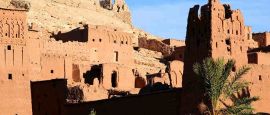
Morocco offers an extensive range of accommodation, from international hotels and coastal resorts to family-run guesthouses, hostels, mountain lodges and converted kasbahs. Accommodation is concentrated in Marrakech, Casablanca, Agadir, Fez, Rabat and Tangier, but smaller towns along established tourist routes also have a good selection.
Riads are traditional houses built around an internal courtyard, many of which have been converted into small hotels or guesthouses. They are particularly common in the medinas of Marrakech, Fez, Essaouira and Meknes. Access may involve walking through narrow streets, so travellers with limited mobility or heavy luggage should check the location and accessibility before booking.
Morocco uses a star-rating system for classified tourist accommodation, including hotels, riads and guesthouses. Standards can nevertheless differ between properties of the same category, particularly in budget accommodation. Air conditioning and heating should be confirmed when required.
A tourism or local accommodation tax may be charged per person per night and is not always included in the advertised room price. Advance booking is advisable during spring and autumn, over major holidays and festivals, and in popular destinations during European school holidays.
Registered campsites can be found near major cities, Atlantic and Mediterranean resorts, mountain areas and established desert routes. Facilities range from simple sites with basic showers and toilets to holiday parks offering electricity, restaurants, swimming pools and motorhome services. Standards vary considerably, so recent reviews are useful.
Desert camps around Merzouga and M'Hamid provide accommodation in permanent tents, usually as part of an organised excursion. Facilities range from basic shared arrangements to furnished tents with private bathrooms. Travellers should confirm what is included, particularly transport, meals, bedding and bathroom facilities.
Wild camping is not formally permitted in every area and may be prohibited in protected areas, along sections of the coast and near military or border zones. Local police or the Royal Gendarmerie may ask campers to move to an authorised site. Obtain the landowner's permission on private land and consult local authorities or guides before camping in a remote area. Official campsites or organised camps are preferable for security.
Do you have any Feedback about this page?
© 2026 Columbus Travel Media Ltd. All rights reserved. No part of this site may be reproduced without our written permission, click here for information on Columbus Content Solutions.



 You know where
