Book and Go

Latest features
Algeria Health Care and Vaccinations
| Title | Special precautions |
|---|---|
| Diphtheria |
Yes |
| Hepatitis A |
Yes |
| Malaria |
No |
| Rabies |
Sometimes |
| Tetanus |
Sometimes |
| Typhoid |
Yes |
| Yellow Fever |
No* |
Healthcare standards in Algeria vary considerably between major cities and more remote regions. In Algiers and other large urban centres, public hospitals and private clinics provide a reasonable standard of care, though facilities and equipment may not match Western European or North American levels. Outside major cities, medical services can be limited, and facilities in rural or desert areas may be basic.
Private clinics in larger cities generally offer better standards and shorter waiting times than public hospitals. Payment is usually required upfront, and international health insurance is strongly recommended. Comprehensive travel insurance covering medical treatment and emergency evacuation is essential, particularly for travel to southern or remote areas.
Pharmacies are widely available in cities and towns and are identified by a green cross sign. Pharmacists can provide advice for minor ailments and dispense many medications, though prescriptions are required for certain drugs. Some medicines that are available over the counter in other countries may require a prescription in Algeria, and vice versa. Visitors who rely on specific medication should bring an adequate supply, along with a copy of the prescription and, ideally, a doctor's letter.
In an emergency, medical assistance can be requested through the national emergency number 1548 for ambulance services, though response times may vary. Visitors travelling outside major urban areas should plan carefully and ensure access to communication and transport in case medical help is needed.
Tap water in major cities is treated and chlorinated, but many visitors prefer to drink bottled water, which is widely available. Outside main urban areas, water quality can be inconsistent, and bottled or properly treated water is recommended. Commercial milk and dairy products are pasteurised and safe for consumption. Food hygiene standards vary, but meat, poultry and seafood are generally safe when thoroughly cooked. Visitors should exercise normal precautions with raw foods such as salads and peeled fruits, particularly in smaller towns or informal establishments.
Algeria is generally stable in its main cities and tourist-accessible areas, but travellers should remain aware of security considerations. Certain border regions, particularly near Libya, Mali and Niger, are subject to travel restrictions due to security risks. Access to parts of the Sahara is tightly controlled and typically requires authorised guides or organised tours. Visitors should check the current travel advice before departure and follow local guidance at all times.
Petty crime, including pickpocketing and bag snatching, may occur in crowded areas, markets and transport hubs, particularly in larger cities. Visitors should take sensible precautions, keep valuables secure and avoid displaying expensive items.
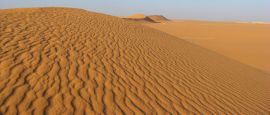
Natural hazards are limited but can include extreme heat in summer, particularly in desert regions, where temperatures can exceed 45°C (113°F). Adequate hydration and sun protection are essential in these conditions.
Do you have any Feedback about this page?
© 2026 Columbus Travel Media Ltd. All rights reserved. No part of this site may be reproduced without our written permission, click here for information on Columbus Content Solutions.

 You know where