

Mexico History, Language and Culture
History of Mexico
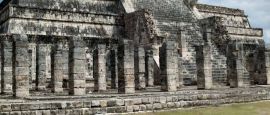
Mexico's history stretches back thousands of years, with advanced civilisations such as the Olmec, Maya and Aztec shaping the cultural and political landscape long before European contact. These societies developed complex urban centres, systems of writing and astronomy, and monumental architecture, many examples of which can still be visited today.
In the early 16th century, Spanish conquistadors led by Hernán Cortés defeated the Aztec Empire and established colonial rule. Mexico became the centre of New Spain, a vast territory under Spanish rule for nearly three centuries. During this period, Spanish culture, language and religion were introduced and blended with existing Indigenous traditions.
Mexico gained independence from Spain in 1821 following a prolonged struggle. The 19th century was marked by political instability, territorial conflicts and reform movements, including the loss of large northern territories to the United States. In the early 20th century, the Mexican Revolution led to significant social and political change, shaping modern Mexico's institutions and identity.
Today, Mexico is a federal republic with a rich cultural heritage that reflects its Indigenous roots and colonial past. Its history continues to influence its traditions, architecture and national identity.
Did you know?
• The ancient city of Teotihuacán was one of the largest cities in the world in its time, with a population of over 100,000.
• Mexico introduced chocolate, tomatoes and chillies to the world, all of which originated in Mesoamerica.
• The Day of the Dead (Día de los Muertos) is recognised by UNESCO as an Intangible Cultural Heritage of Humanity.
Language in Mexico
Spanish is the official language of Mexico and is spoken throughout the country. In addition, there are numerous recognised Indigenous languages, including Nahuatl, Maya and Mixtec, reflecting the country's cultural diversity.
English is widely understood in tourist areas, major cities and resorts, particularly in hotels, restaurants and transport services. However, in more rural areas and smaller towns, Spanish is more commonly used, and a basic knowledge of key phrases can be helpful.
Mexico's linguistic diversity reflects its historical and cultural heritage, and visitors may encounter different languages and dialects depending on the region.
- Beer = Cerveza
- Closed = Cerrado
- Danger = Peligro
- Do you speak English? = ¿Habla inglés?
- Doctor = Médico
- Entrance = Entrada
- Exit = Salida
- Goodbye = Adiós
- Hello = Hola
- How are you? = ¿Qué tal?
- How much does it cost? = ¿Cuánto cuesta?
- I'm very well = Estoy muy bien
- I don't understand = No entiendo
- Menu = Carta
- No = No
- Open = Abierto
- Please = Por favor
- Thank you = Gracias
- Today = Hoy
- Toilets = Servicios
- Where is ? = ¿Dónde está?
- Wine = Vino
- Yes = Sí



 You know where
