
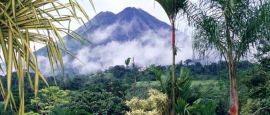

Where to stay in Costa Rica
Costa Rica offers a wide range of accommodation options, from international luxury resorts and boutique eco-lodges to backpacker hostels, surf camps and family-run guesthouses. The country's tourism industry is well-developed, and accommodation is available for most budgets and travel styles, particularly in the main tourist regions.
In San José and the Central Valley, visitors will find international hotel chains, business hotels and boutique properties concentrated in areas such as Escazú, Santa Ana and central San José. These range from high-end hotels with conference facilities and spas to smaller guesthouses catering to independent travellers.
Eco-lodges are a defining part of Costa Rica's accommodation landscape. In rainforest and wildlife regions such as Tortuguero, the Osa Peninsula and Monteverde, many lodges are designed to integrate with the natural environment while offering guided wildlife activities and sustainable tourism experiences. Standards vary from rustic cabins to highly luxurious jungle retreats.
Beach destinations including Tamarindo, Santa Teresa, Manuel Antonio and Puerto Viejo offer a broad mix of accommodation including resorts, boutique hotels, surf hostels and holiday rentals. In recent years, Costa Rica has also seen significant growth in wellness retreats and yoga-focused accommodation, particularly on the Nicoya Peninsula.
Accommodation in remote areas may have fewer amenities than visitors expect in urban centres. Some rainforest lodges and smaller eco-properties operate with limited electricity schedules, slower internet access or open-air facilities as part of the experience.
Advance booking is advisable during the peak travel season from December to April, especially around Christmas, New Year and Easter when popular destinations can become fully booked.
Camping is permitted in parts of Costa Rica, though it is far less common than staying in hotels, lodges or guesthouses. Most organised camping takes place at designated campsites, eco-lodges, surf camps and certain national parks, particularly in coastal and outdoor recreation areas.
Popular camping locations include parts of the Nicoya Peninsula, the Pacific coast and some mountain regions where campsites provide basic facilities such as toilets, showers and cooking areas. Beach camping is possible in some locations, though regulations vary and permission may be required.
Camping within national parks is generally restricted to authorised areas and facilities are often basic. Corcovado National Park, for example, permits overnight stays only in designated ranger stations and usually as part of organised visits. Wild camping outside authorised areas is not widely practised and may be restricted in protected areas and private land.
The tropical climate presents additional considerations for campers. Heavy rain, high humidity, insects and strong sun can make camping challenging, particularly during the rainy season from May to November. Waterproof equipment and good mosquito protection are essential.
Security should also be considered carefully, especially when camping near beaches or in isolated areas. Travellers are advised to camp only in recognised or locally recommended locations and avoid leaving valuables unattended.
Do you have any Feedback about this page?
© 2026 Columbus Travel Media Ltd. All rights reserved. No part of this site may be reproduced without our written permission, click here for information on Columbus Content Solutions.



 You know where
